
The purpose of this introduction is to provide background information and context for the topic at hand. It will serve as a foundation for understanding the upcoming discussion.
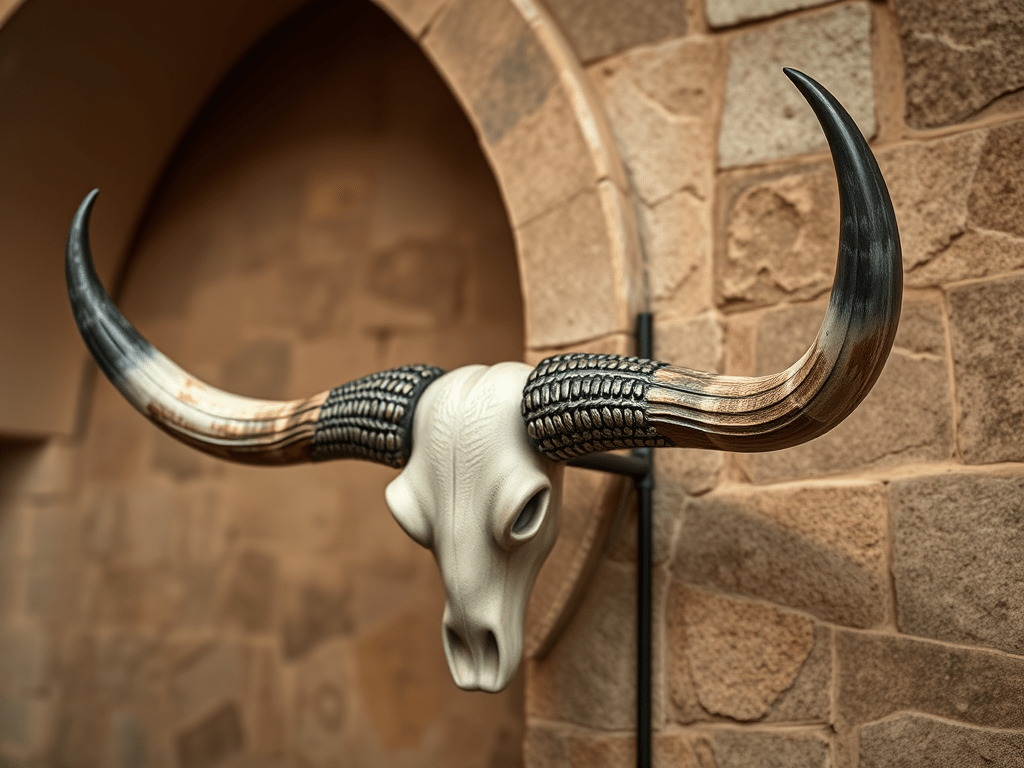
Over centuries, bull horns have surpassed their practical use and become renowned for their exquisite curvature and strength. These natural materials hold a prominent position in various forms of art and design – from ancient rites honoring the might of bulls to contemporary home decoration. This post delves into the rich history of bull horns in art and design, examining their roles as symbols, tools, and aesthetic components throughout different eras. For stunning examples of handcrafted pieces made from bull horns, please visit here.
The historical significance of bull horns is notable due to their presence in various cultures and societies throughout history. These animal appendages have held symbolic meaning and cultural significance in a wide range of beliefs and customs, making them an intriguing aspect of human history.
In ancient civilizations, the cultural practices were greatly influenced by their beliefs and traditions.
Throughout history, bull horns have held immense cultural and symbolic significance. The Mesopotamians and Egyptians, for instance, viewed the bull as a symbol of strength, fertility, and divinity. This is evident in the various sculptures and carvings showcasing bull horns found in temples and monuments, representing protection and power. A prime example is the renowned Bull of Heaven in Mesopotamian mythology, which reflects the admiration for this majestic animal and its courageous qualities.
Europe was Europe during the medieval period.
In medieval times, bull horns served multiple purposes. In heraldry, they were a symbol of nobility and bravery. The inclusion of bull horns in a crest represented the strength and courage of warriors. Furthermore, skilled artisans utilized bull horns to create elegant drinking cups that became fashionable among elites. These items not only showcased craftsmanship but also served a practical function.
The creation of art and craftsmanship requires skill, technique, and creativity. It calls for a mastery of various materials and methods to bring a vision to life. Whether it is painting, sculpting, or woodworking, each piece showcases the artist’s unique abilities and personal touch. Both art and craftsmanship require passion and dedication to produce stunning works that captivate viewers.
Artisans can find all the supplies they need with our wide range of materials.
As the Renaissance brought about a shift in artistic techniques, bull horns were no longer limited to symbolic use. Instead, they were embraced by artisans for their functionality and aesthetic appeal in furniture. Chairs and table legs adorned with horn tips added a unique touch to practical items. The adaptable nature of this material lent itself well to intricate patterns, whether woven into textiles, carved into sculptures, or painted onto surfaces. Thanks to the natural texture and color of bull horns, they seamlessly complemented a range of styles from rustic to elegant.
Modern applications
The inclusion of bull horns in contemporary design has sparked interest in both handcrafted and commercial ventures. These horns, when properly cleaned and treated, can add a standout touch to any space and prompt discussions about the importance of sustainability and skillful artistry. From lamps to wall mounts and decorative accents, designers have found ways to incorporate the natural shapes of bull horns into their creations, appealing to environmentally conscious customers. The growing trend towards biophilic design has brought a renewed admiration for organic materials like bull horns. Be sure to take a look at this distinctive design piece crafted from bull horns here.
The impact of culture can be seen in many aspects of our society. It influences our beliefs, values, and traditions. It shapes the way we think, behave, and interact with others. From language to customs, culture plays a significant role in shaping who we are.
Cross-cultural symbolism is a prevalent aspect across different cultures. It holds great significance and can be found in various cultural traditions and practices.
Bull horns hold different meanings in various cultures. For instance, in Hindu culture, the Nandi bull symbolizes loyalty and devotion to Lord Shiva. In Traditional Chinese Art, they represent prosperity and abundance. Modern designers and artists pay homage to these cultural associations by creating contemporary interpretations with authenticity.
The emergence of ethical practices.
As awareness of sustainability and animal welfare grows, the conversation regarding the use of bull horns is developing. In various artistic communities, ethical sourcing and environmentally conscious methods are gaining prominence. As a result, collaborations between designers and artisans are emerging to showcase the aesthetic appeal of bull horns while also promoting responsible sourcing from the meat industry.
In conclusion, it can be said that the main takeaway is…
The evolution of bull horns from ancient times to modern design showcases a timeless admiration for nature’s ingenuity. This progression represents not only the aesthetic significance but also the ethical considerations that hold weight in today’s creative space. Bull horns serve as a constant reminder that beauty can arise from the fusion of tradition, sustainability, and innovation as art and design continue to evolve. Whether utilized for decoration or function, they embody cultural heritage and skilled craftsmanship, promoting our ties to the past while igniting our potential for the future. Explore exquisite pieces made from bull horns here.
 Creative Corner