
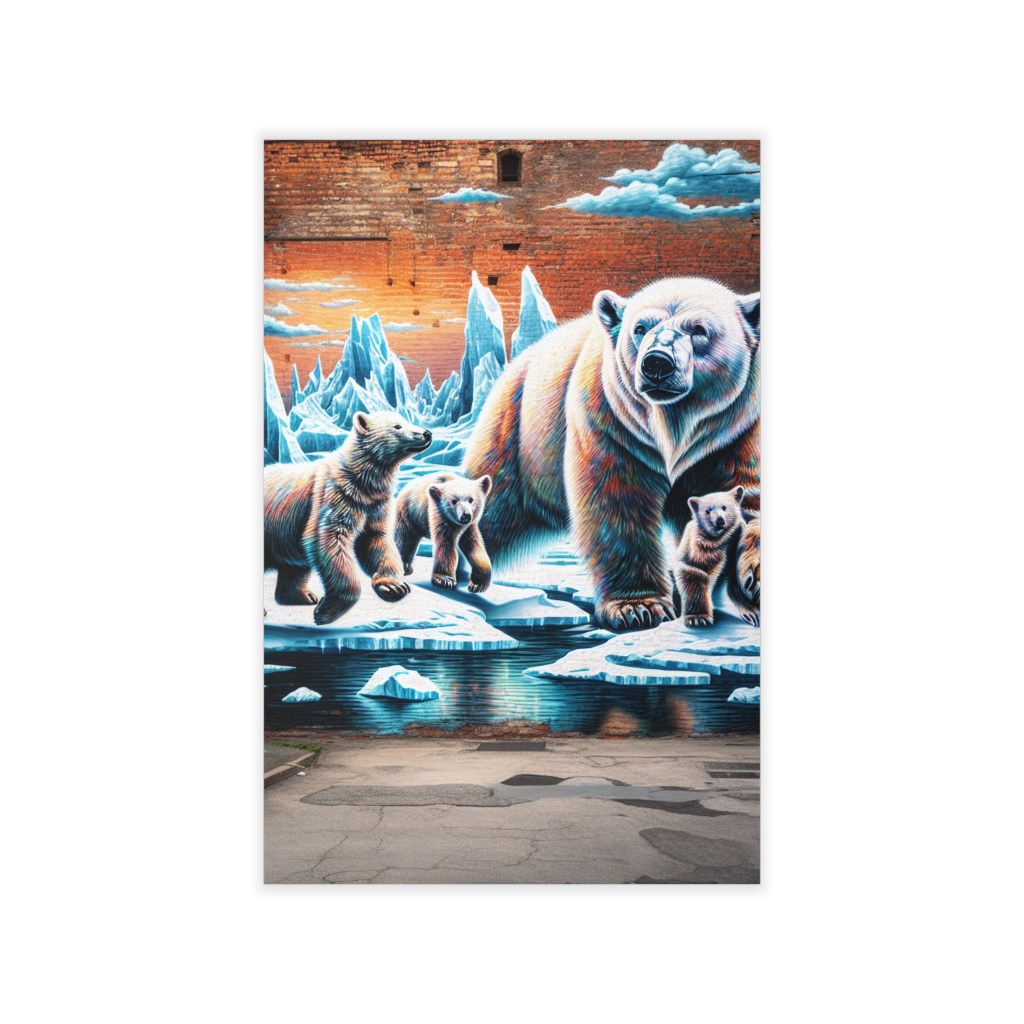
Welcome to the enchanting realm of the Arctic, where silent giants roam the icy landscapes with grace and power. In this majestic world of frozen wonder, one magnificent creature stands tall – the polar bear. Join us on a thrilling exploration as we unveil the secrets of these iconic Kings of the Arctic, guardians of the wilderness and symbols of resilience in a changing world. Get ready to dive into the fascinating life and habitat of polar bears like never before!
Silent Giants: Exploring the Life and Habitat of Polar Bears
In the vast and unforgiving Arctic expanse, polar bears reign as silent giants, perfectly adapted to survive in one of the harshest environments on Earth. These majestic creatures navigate across frozen landscapes with a sense of purpose and determination that is truly awe-inspiring.
The habitat of polar bears is primarily the sea ice, where they hunt for seals – their main source of food. Their thick white fur provides camouflage against the snow-covered terrain, while their large paws help them traverse slippery ice effortlessly. With powerful limbs and keen senses, polar bears are well-equipped for life in this icy wilderness.
Despite their solitary nature, polar bears do come together during mating season or when a rich feeding ground attracts multiple individuals. This social dynamic adds complexity to their otherwise solitary existence, showcasing the versatility and adaptability of these remarkable animals.
Polar Bears: Guardians of the Arctic and Symbols of Wilderness
Standing tall and majestic against the backdrop of icy landscapes, polar bears are the true guardians of the Arctic. These powerful creatures embody the untamed spirit of the wilderness, reigning over a realm where only the strongest survive.
With their thick fur coats and massive paws perfectly adapted for navigating through snow and ice, polar bears are well-equipped to thrive in one of Earth’s harshest environments. Their stealthy movements and keen sense of smell make them formidable hunters, preying on seals with precision and grace.
As symbols of resilience and strength in a world constantly threatened by climate change, polar bears serve as a poignant reminder of nature’s fragility. As temperatures rise and sea ice melts at an alarming rate, these iconic predators face unprecedented challenges to their survival.
Despite facing numerous threats to their existence, including habitat loss and human encroachment, polar bears continue to inspire awe and admiration worldwide. It is our collective responsibility to ensure that these magnificent creatures are protected for future generations to cherish and admire.
Physical Characteristics and Adaptations of Polar Bears
Silent giants of the icy Arctic, polar bears possess remarkable physical characteristics and adaptations that allow them to thrive in one of the harshest environments on Earth. With their distinctive white fur, these magnificent creatures are perfectly camouflaged against the snowy backdrop, making them formidable hunters.
Their large size and powerful limbs enable polar bears to cover long distances in search of prey across vast expanses of sea ice. Equipped with sharp claws and strong jaws, they can take down seals – their primary food source – with precision and efficiency.
Polar bears also have a thick layer of blubber beneath their skin, providing insulation from the cold temperatures and buoyancy when swimming. Their keen sense of smell helps them detect prey from miles away, while their excellent eyesight allows them to spot potential meals even in low light conditions.
Adapted to survive in freezing waters, polar bears are skilled swimmers capable of traveling long distances at sea. Their partially webbed paws act like paddles, propelling them through the water with ease. Truly masters of their icy domain, polar bears embody resilience and resourcefulness in the face of extreme challenges.
Diet and Hunting Habits of Polar Bears
Polar bears are skilled hunters, relying mainly on their keen sense of smell to detect prey from miles away. Their primary food source is seals, particularly ringed and bearded seals found in the icy waters of the Arctic. When hunting, polar bears use sea ice as a platform to ambush seals as they surface for air.
These majestic predators exhibit patience and stealth during their hunts, waiting for hours near seal breathing holes or cracks in the ice. Once a seal comes into sight, polar bears will use their powerful front paws to break through the ice and pull out their unsuspecting prey.
Despite being excellent swimmers, polar bears prefer hunting on land or ice rather than in water. However, they can swim long distances if necessary to find food. This adaptability is crucial for their survival in an ever-changing environment where sea ice conditions are becoming increasingly unpredictable due to climate change.
Reproduction and Family Structure of Polar Bears
Polar bears have a unique approach to reproduction and family dynamics. In the Arctic, female polar bears give birth to one to three cubs after a gestation period of about 8 months. The cubs are born blind and rely entirely on their mother for care and protection.
The bond between a mother polar bear and her cubs is incredibly strong. She nurtures them, teaches them how to survive in their icy habitat, and provides them with warmth and food. This maternal care is essential for the survival of the cubs in the harsh Arctic environment.
As the cubs grow older, they learn valuable skills from their mother, such as hunting techniques and navigation. Typically, polar bear families stay together for around two years before the young ones venture off on their own to establish their territories.
Understanding the reproductive cycle and family structure of polar bears sheds light on the intricate social dynamics within these majestic creatures’ lives in the frozen wilderness of the Arctic.
Threats to the Survival of Polar Bears
The majestic Polar Bears, rulers of the Arctic wilderness, face an uncertain future due to various threats to their survival. Climate change is perhaps the most pressing danger these iconic creatures confront as rising temperatures lead to melting sea ice, disrupting their hunting and breeding patterns.
Human activities such as oil and gas exploration in the Arctic also pose a significant risk to polar bears’ habitats, increasing the potential for oil spills that could have devastating consequences on both bear populations and their environment.
Furthermore, pollution from plastics and chemicals contaminates the pristine Arctic ecosystem where polar bears reside, affecting not only their health but also that of their prey species like seals and fish. Overhunting by humans in the past has had lasting impacts on polar bear populations, leading to decreased genetic diversity and smaller family groups.
As we navigate through these challenging times, it’s crucial that we recognize the urgent need to address these threats head-on and take meaningful action towards safeguarding the future of these incredible creatures before it’s too late.
On Thin Ice: The Plight of Polar Bears in a Warming World
The Arctic, once a frozen haven for polar bears, is now facing the harsh reality of climate change. As temperatures rise and ice melts at alarming rates, these majestic creatures are struggling to adapt to their changing environment. The very foundation of their existence – sea ice – is disappearing before their eyes.
Polar bears rely on sea ice as a platform for hunting seals, their primary food source. With diminishing ice coverage, they are forced to travel longer distances in search of prey, leading to increased energy expenditure and decreased likelihood of successful hunts. This results in malnourished bears and declining populations.
As the Arctic continues to warm at an accelerated pace, polar bears face an uncertain future. Without immediate action to combat climate change and protect their shrinking habitat, these iconic predators may soon be lost forever. It’s crucial that we recognize the urgency of this situation and work together towards sustainable solutions for the survival of polar bears in a warming world.
Conservation Efforts and Future Outlook for Polar Bears
Conservation efforts for polar bears are crucial in ensuring the survival of these majestic creatures. Various organizations, governments, and researchers are working tirelessly to protect their habitat and address the threats they face. From advocating for stricter regulations on hunting to implementing measures to combat climate change, initiatives are underway to safeguard the future of polar bears.
Scientists are studying polar bear behavior and population dynamics to better understand how they can thrive in changing environments. By monitoring their movements and health status, conservationists can make informed decisions on how best to preserve their populations. Additionally, raising awareness about the importance of preserving Arctic ecosystems is vital in garnering support for conservation efforts.
The future outlook for polar bears remains uncertain as climate change continues to impact their icy habitats. Rising temperatures lead to shrinking sea ice which directly affects polar bear populations by reducing access to prey. It’s essential that we prioritize sustainable practices and take action now before it’s too late for these iconic animals.
The Unique Relationship between Indigenous Communities and Polar Bears
The relationship between indigenous communities and polar bears runs deep, rooted in centuries of coexistence and mutual respect. For these communities living in the Arctic regions, polar bears are not just animals but revered symbols of strength, resilience, and harmony with nature.
Traditional knowledge passed down through generations teaches invaluable lessons on how to peacefully share the land with these majestic creatures. Indigenous peoples have a profound understanding of polar bear behavior and habitat, allowing for sustainable interactions that benefit both humans and wildlife.
In many cultures, polar bears hold spiritual significance, embodying the spirit of the wilderness and serving as powerful cultural symbols. Through art, storytelling, and rituals, indigenous communities celebrate the bond they share with these iconic Arctic rulers.
As climate change threatens the delicate balance of this ecosystem, indigenous voices play a crucial role in advocating for conservation efforts to protect polar bear populations for future generations. Their unique perspective offers valuable insights into creating effective strategies for coexisting harmoniously with these kings of the Arctic.
Responsible Tourism: How to Observe Polar Bears Safely
When it comes to observing polar bears in their natural habitat, responsible tourism practices are crucial. These majestic creatures deserve our respect and protection.
To ensure the safety of both humans and polar bears, always remember to maintain a safe distance. Use binoculars or telephoto lenses for closer views without disturbing them.
Avoid approaching polar bears on foot or making sudden movements that could startle them. It’s important to let them carry on with their daily activities undisturbed.
Joining guided tours led by experienced professionals who prioritize wildlife conservation can provide valuable insights while minimizing any negative impacts on the environment.
Respect the rules and regulations set in place to protect these vulnerable species. Taking photos and videos from a distance allows you to capture unforgettable moments without intruding on their space.
By following these guidelines, we can contribute to the preservation of polar bear populations for future generations to admire and appreciate in their natural habitat.
Conclusion: Why We Must Protect the Kings
As we unveil the majestic world of polar bears, it becomes clear that these silent giants are not only awe-inspiring but also vital to the delicate Arctic ecosystem. Their role as guardians of the Arctic and symbols of wilderness is profound and must be acknowledged.
With their unique physical characteristics and remarkable adaptations, polar bears have evolved to thrive in one of the harshest environments on Earth. From their diet and hunting habits to their reproduction and family structure, every aspect of their lives is finely tuned to survival in the icy realm they call home.
However, these magnificent creatures face numerous threats to their survival, primarily due to climate change and human activities. The plight of polar bears in a warming world is a stark reminder of the urgent need for conservation efforts and collective action.
By understanding the unique relationship between indigenous communities and polar bears, we can appreciate the cultural significance these animals hold for many people. Responsible tourism practices play a crucial role in ensuring that we can observe polar bears safely without disturbing them or their habitat.
Protecting the kings of the Arctic is not just about preserving a species; it’s about safeguarding an entire ecosystem and our planet’s biodiversity for generations to come.
Polar Bear Art by Three Diamonds Designs Shop
Polar Bear Art by Three Diamonds Designs Shop
As we come to the end of our journey into the majestic world of polar bears, one thing becomes clear – these incredible creatures are not just icons of the Arctic; they are symbols of resilience, strength, and the delicate balance of nature. The Polar Bear Art by Three Diamonds Designs Shop captures the beauty and power of these silent giants in stunning detail.
Through art, we can bring awareness to the plight of polar bears and inspire others to join conservation efforts. Each piece tells a story, reminding us why it is crucial to protect these kings of the Arctic for generations to come.
So let us continue to marvel at the wonders of polar bears through art, photography, and storytelling. Let us stand together as guardians of their icy realm, ensuring that they roam free in a world where they truly belong. Together, we can make a difference and secure a future where polar bears thrive in their natural habitat.
Visit Three Diamonds Designs Shop today and bring home a piece that celebrates the beauty and grandeur of polar bears. Thank you for joining us on this exploration into the fascinating world of these magnificent creatures.
 Creative Corner