
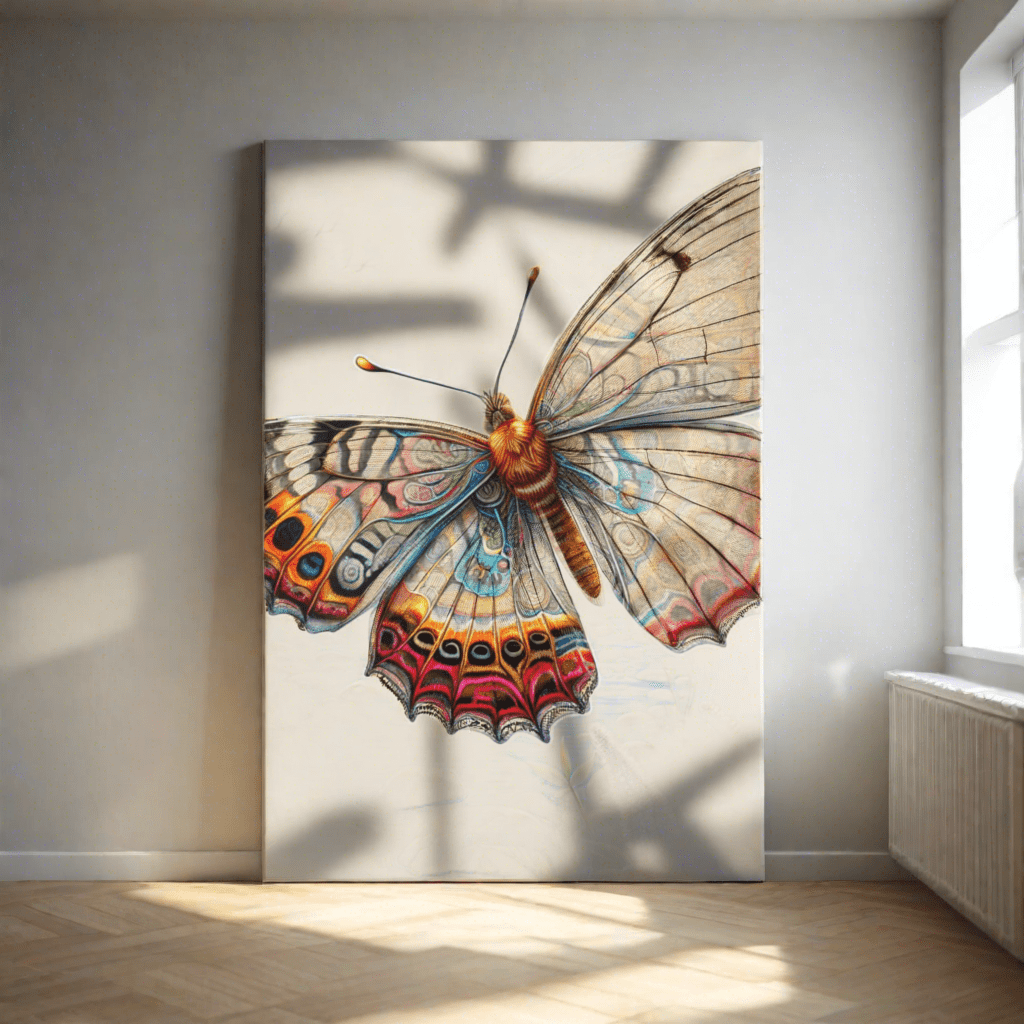
From Ancient Egypt to Modern Ink: A Brief History of Butterfly Tattoos
Butterfly tattoos have long been a symbol of transformation, beauty, and freedom. From the intricate designs of ancient Egypt to the bold statements of modern ink enthusiasts, these delicate creatures have captured our hearts and adorned our bodies for centuries. Join us on a journey through time as we explore the fascinating evolution of butterfly tattoos and their enduring appeal in today’s world of body art.
Introduction: Explaining the popularity of butterfly tattoos and their significance
Introduction: Explaining the Popularity of Butterfly Tattoos and Their Significance Butterfly tattoos have been a popular choice among tattoo enthusiasts for many years. These delicate and intricate designs can be seen on people of all ages, genders, and backgrounds. But what makes butterfly tattoos so popular? And what is the significance behind these beautiful creations? In this section, we will explore the history and symbolism of butterfly tattoos to understand their enduring popularity. Historical Origins The earliest evidence of butterfly tattoos dates back to ancient Egypt, where they were believed to represent rebirth and transformation. The Egyptians associated butterflies with the goddess Isis, who was often depicted with wings like a butterfly. It was also common for women in ancient Egypt to get butterfly tattoos as a symbol of beauty and femininity. In Japan, butterfly tattoos were used to signify good luck and protection against evil spirits. In China, they were seen as symbols of love and marriage. Native American tribes also had their own interpretations of butterflies – some saw them as messengers from the spirit world while others believed they represented freedom and change. Modern Meanings Today, butterfly tattoos hold various meanings depending on cultural beliefs and personal interpretations. For some individuals, it may represent a personal journey or transformation that they have gone through in life. Others may see it as a reminder to embrace change or let go of past struggles. For many people, butterflies are also associated with growth, grace, and beauty. The way they transform from caterpillars into colorful creatures has long been admired by humans as a metaphor for personal growth and development. Symbolism Apart from representing transformation and beauty, butterflies are also deeply symbolic creatures in different cultures around the world. In Christianity, they are often linked to spiritual resurrection due to their ability to emerge from cocoons after appearing dormant for some time. In Greek mythology, Psyche (meaning “soul” in Greek) was depicted with butterfly wings, symbolizing the soul’s journey towards immortality. In some cultures, butterflies are also seen as symbols of hope and happiness. In Conclusion Butterfly tattoos have stood the test of time and continue to be a popular choice for tattoo lovers worldwide. From ancient civilizations to modern times, these delicate creatures hold different meanings and symbolism that make them an irresistible design choice. Whether it’s a personal meaning or simply an appreciation for their beauty, butterfly tattoos will always remain a beloved form of self-expression. In the next section, we will delve deeper into the different styles and variations of butterfly tattoos throughout history.
Ancient Egypt: The earliest known depictions of butterflies and their meaning in Egyptian culture
Ancient Egypt is often regarded as one of the most fascinating ancient civilizations in human history. With its rich culture, advanced technology, and intricate belief systems, it continues to capture our imagination even today. One aspect that has always captured the attention of historians and archeologists is the use of symbolism in everyday life. And when it comes to symbolism, butterflies hold a significant place in ancient Egyptian culture. The earliest known depictions of butterflies in Ancient Egypt can be traced back to 3500 BCE during the Pre-dynastic period. These depictions were found on pottery and tomb walls, showcasing their deep connection with nature and its elements. In Egyptian mythology, butterflies were believed to be messengers of God and represented transformation, rebirth, and immortality. In Ancient Egypt, butterflies were also associated with the Goddess Isis – the goddess of magic, fertility, motherhood, and rebirth. It was believed that she could transform into a butterfly at will to travel between worlds or deliver messages from the gods to mortals. This belief was further strengthened by The Book of the Dead – an ancient Egyptian funerary text that contained spells and instructions for the deceased’s journey into afterlife. One spell referred to as “Chapter 125” mentions a butterfly as a symbol of transformation for the deceased soul. Moreover, butterflies also held great significance in Egyptian art and were often depicted alongside other symbols such as flowers or birds on tombs or burial chambers. These representations reinforced their association with resurrection and eternal life. In addition to their spiritual meaning, butterflies also held practical value for Egyptians. They were seen as pollinators responsible for bringing new life through plants’ reproduction process – making them symbols of growth and prosperity. Interestingly, these beliefs about butterflies extended beyond just mythology but had real-life implications as well. For instance, monarch butterflies’ migration patterns across Egypt each year coincided with planting seasons – leading many farmers to believe that their return signaled a bountiful harvest. Considering the profound symbolism and practical significance of butterflies in Ancient Egypt, it is no surprise that many people chose to get butterfly tattoos as a way to honor their beliefs or connect with nature. These tattoos were not only aesthetically pleasing but also carried deep cultural and spiritual significance. The earliest known depictions of butterflies in Ancient Egypt reveal their integral role in Egyptian culture. From being associated with deities to representing transformation and prosperity, these fascinating creatures continue to inspire and hold meaning for us even today.
Asian Cultures: The symbolism behind butterfly tattoos in Chinese, Japanese, and Indian cultures
Butterfly tattoos have been a popular form of body art for centuries, with origins dating back to ancient civilizations like Egypt and Greece. However, the symbolism behind butterfly tattoos varies across different cultures, including those in Asia. In this section, we will explore the cultural significance of butterfly tattoos in Chinese, Japanese, and Indian cultures. Chinese culture has a deep connection with nature and its creatures, which is reflected in their beliefs and symbolism. The butterfly is known as “hu die” in Chinese and holds a special place in their culture. It is considered a symbol of transformation, beauty, and love. In traditional Chinese folklore, butterflies are believed to be messengers of happiness and good luck. They also represent immortality due to their short lifespan but beautiful metamorphosis from a caterpillar to a colorful winged creature. In Chinese tattoo art, butterflies are often depicted with other symbols such as flowers or birds to create a meaningful composition. The colors used for the butterfly also hold significant meaning – red represents love and joy while black symbolizes longevity and protection against evil spirits. Moving on to Japanese culture, the butterfly holds similar meanings of transformation and beauty but is also associated with femininity. In Japan, it is called “cho” and has been portrayed in various forms of art for centuries. One famous artwork featuring butterflies is the Ukiyo-e print by Japanese artist Kitagawa Utamaro titled “Three Beauties of the Present Day.” Butterfly tattoos were traditionally popular among women in Japan as they represented delicate gracefulness that was associated with traditional feminine traits like gentleness and elegance. However, today both men and women get butterfly tattoos for their aesthetic appeal as well as its underlying symbolism. In Indian culture, butterflies are seen as symbols of rebirth and reincarnation due to their life cycle stages – egg (birth), caterpillar (life), chrysalis (death), butterfly (rebirth). In Hindu mythology, the goddess of love and beauty, Kamadeva, is often depicted riding a butterfly. This further reinforces the symbolism of butterflies representing transformation and love. Butterfly tattoos in Indian culture also hold spiritual significance. The Sanskrit word for butterfly, “tittibha,” is associated with meditation and inner peace. Many people get butterfly tattoos as a way to symbolize their spiritual journey or personal growth. The symbolism behind butterfly tattoos in Chinese, Japanese, and Indian cultures revolves around transformation, beauty, femininity (in some cases), spirituality, and good luck. These meanings have been passed down through generations and continue to be embraced by individuals getting butterfly tattoos today.
Native American Traditions: How butterflies were used in spiritual and healing practices
Native American traditions and beliefs are deeply intertwined with nature, and butterflies hold a significant place in their spiritual and healing practices. The butterfly is seen as a symbol of transformation, rebirth, and the cycle of life. Its metamorphosis from a crawling caterpillar to a graceful fluttering creature has long fascinated Native American cultures. In many tribes, butterflies were believed to be messengers from the spirit world. They were thought to carry prayers and thoughts to the heavens above. It was also believed that when someone passed away, their soul would transform into a butterfly and continue its journey in the afterlife. As such, butterflies were often seen as symbols of hope and guidance for those who had lost loved ones. Butterflies were also used in various spiritual ceremonies and rituals. In some tribes, they were released during important events or celebrations as an offering to the spirits for blessings and protection. In others, they were incorporated into dance performances as a representation of transformation and change. In addition to their spiritual significance, butterflies held great importance in Native American healing practices. Their vibrant colors and delicate movements were believed to have therapeutic properties that could aid in physical and emotional healing. One common belief among many tribes was that wearing or carrying butterfly wings would bring about good health and ward off illness. Additionally, it was thought that consuming dried or powdered butterfly wings could cure stomach ailments. The use of butterfly tattoos can also be traced back to Native American cultures. These tattoos were not only decorative but held deep symbolic meaning as well. They represented growth, change, beauty, and spirituality – all elements greatly revered by these communities. Butterfly tattoos were particularly popular among women as they symbolized femininity, gracefulness, and fertility. They were often placed on areas of the body associated with creation such as the abdomen or lower back. Today, modern interpretations of traditional Native American butterfly designs can still be seen in tattoo art around the world. The vibrant colors and intricate patterns continue to hold significant meaning for those who choose to adorn their bodies with these beautiful creatures. The use of butterflies in Native American traditions goes far beyond mere aesthetics. These delicate creatures hold deep spiritual and healing significance and have been a part of their cultures for centuries. Whether used as messengers, symbols of transformation, or as therapeutic aids, butterflies continue to play an important role in Native American practices.
Modern Western Culture: The rise of butterfly tattoos in the 20th century and their evolution over time
Modern Western culture has seen a significant rise in the popularity of butterfly tattoos in the 20th century, with their evolution over time reflecting changing attitudes and societal norms. These delicate and colorful insects have come to represent a wide range of meanings and have become a staple in the world of tattoo art. In the early 1900s, butterfly tattoos were primarily associated with women, often seen as a symbol of femininity and beauty. This was largely due to the influence of Victorian fashion, which romanticized nature and its creatures. Women would often get small, dainty butterfly tattoos on their ankles or wrists as a way to express their femininity. However, by the mid-20th century, butterfly tattoos began to take on new meanings and became more popular among both men and women. In the 1950s and 1960s, they were adopted by the counterculture movement, representing freedom, transformation, and rebellion against traditional norms. This shift towards using butterflies as symbols of individuality can also be attributed to advancements in tattooing technology during this time period. As society continued to evolve through the decades, so did the symbolism behind butterfly tattoos. In the 1970s and 1980s, they became associated with spirituality and self-discovery as people sought deeper meaning in their lives. The vibrant colors of these winged creatures also aligned with the psychedelic aesthetics popularized during this era. In recent years, butterfly tattoos have taken on even more diverse meanings as they continue to gain mainstream popularity. They are now often viewed as symbols of strength and endurance due to their remarkable metamorphosis process from caterpillar to butterfly. Additionally, many people see them as embodiments of hope and resilience since butterflies are known for navigating great distances during migration. The design of butterfly tattoos has also evolved over time with artists experimenting with different styles such as watercolor techniques or incorporating elements like flowers or stars into the design. These variations have made butterfly tattoos a popular choice for those looking for unique and personalized body art. The rise of butterfly tattoos in modern Western culture has seen them evolve from a symbol of femininity to encompassing a wide range of meanings such as rebellion, spirituality, and hope. Their evolution over time reflects changing societal attitudes and advances in technology while maintaining their intrinsic beauty and delicacy.
Famous Figures with Butterfly Tattoos: Highlighting
Butterfly tattoos have been a popular choice for body art throughout history, and it’s no surprise that many famous figures have also sported these beautiful designs on their skin. From ancient civilizations to modern celebrities, butterfly tattoos have adorned the bodies of some of the most iconic and influential people in history. One of the earliest recorded instances of butterfly tattoos can be found in ancient Egypt, where they were believed to symbolize rebirth and transformation. The Pharaohs and other members of high society would often adorn themselves with intricate butterfly designs as a way to showcase their power and wealth. These tattoos were also thought to bring protection and good luck to those who wore them. Moving forward in time, we come across one of the most famous women in history – Cleopatra. While there is no concrete evidence that she had a butterfly tattoo, her love for beauty and adornment leads many historians to believe that she may have had one hidden beneath her iconic gowns. This speculation only adds to the allure and mystique surrounding this powerful queen. In more recent times, another famous figure known for her beauty – Marilyn Monroe – has been rumored to have a small butterfly tattoo on her hip. Monroe was known for being effortlessly glamorous and feminine, making her an ideal candidate for sporting this delicate design on her body. Butterfly tattoos also hold significance in many Eastern cultures, particularly Japan. The Japanese view butterflies as symbols of freedom, love, and transformation – all qualities embodied by their famous actress Yoko Ono who famously has a butterfly tattoo on her shoulder blade. Other notable figures with butterfly tattoos include legendary actress Angelina Jolie who proudly displays a large black-and-white design on her lower back; musician Harry Styles who has two butterflies inked below his collarbone; model Gigi Hadid who sports a tiny butterfly behind her ear; and rapper Lil Wayne who has an extensive collection of colorful butterfly tattoos covering his chest and arms. These famous figures with butterfly tattoos only add to the popularity and timelessness of this design. Whether it be for personal meaning or simply for aesthetic purposes, these individuals have helped to solidify butterfly tattoos as a staple in the world of body art.
 Creative Corner