
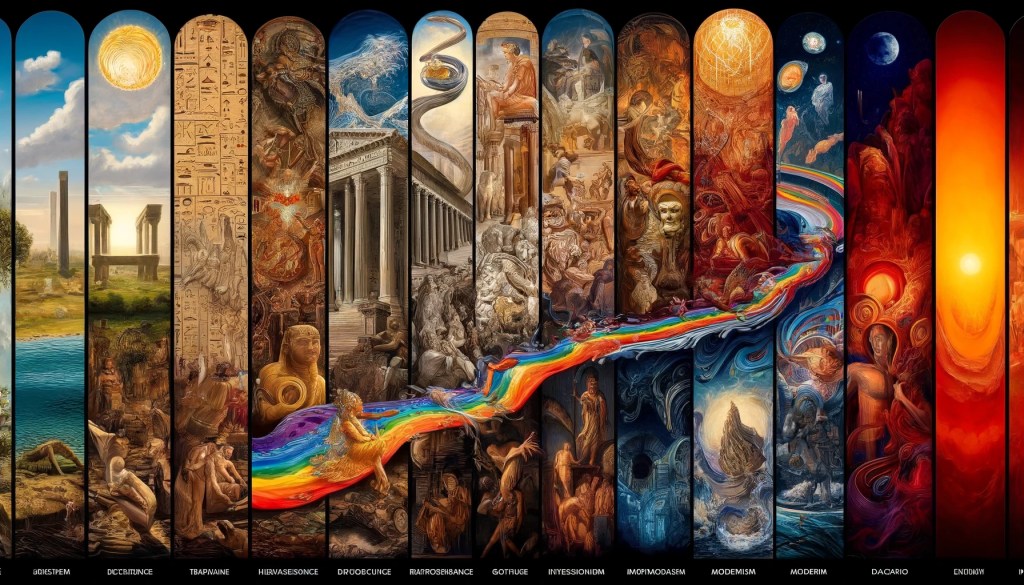
Check out these amazing art collections
Introduction to the significance and impact of art throughout history
Step into the captivating world of art, where creativity transcends time and cultures. From ancient civilizations to modern times, art has left an indelible mark on humanity’s history. Join us as we explore the enduring legacy of art, delving into its origins, evolution, and unfortunately, its tragic encounters with theft throughout the ages. Let’s unravel the fascinating journey of artistic expression and discover how it continues to shape our understanding of the past and present.
The Oldest known works of art created by early humans
Imagine a time long before written history, where early humans roamed the Earth. In caves and on rocks, they left behind traces of their creativity in the form of art. These ancient artworks provide us with a glimpse into their lives and beliefs.
The oldest known works of art date back tens of thousands of years ago to the Upper Paleolithic period. Cave paintings such as those found in Lascaux, France, showcase intricate depictions of animals and hunting scenes.
Early humans used natural pigments like charcoal and ochre to create these masterpieces deep within dark caverns. The purpose behind these artworks remains shrouded in mystery, sparking endless speculation among archaeologists and historians.
From handprints to elaborate animal figures, these ancient artworks demonstrate the innate human desire for self-expression and storytelling through visual means. They remind us that art has been an integral part of human existence since prehistoric times.
Check out these amazing art collections
Art has been an integral part of ancient civilizations, with early humans leaving their mark through cave paintings dating back tens of thousands of years. These primitive artworks not only served as a form of expression but also documented daily life and rituals.
In ancient Egypt, art was closely intertwined with religion and politics. Elaborate hieroglyphics adorned tombs to guide the deceased into the afterlife, while monumental statues immortalized pharaohs as divine rulers.
The Greeks valued beauty and harmony in their art, reflecting their pursuit of balance in all aspects of life. Sculptures like the Venus de Milo captured the essence of idealized human forms that continue to inspire artists today.
Ancient Chinese artwork focused on capturing nature’s essence through delicate brushwork and symbolism. Landscape paintings conveyed philosophical ideas such as harmony between man and nature.
Across diverse cultures, art played a crucial role in society by preserving traditions, conveying beliefs, and shaping collective identity.
Check out these amazing art collections
The evolution of art during the Renaissance and its lasting influence
The Renaissance period marked a significant shift in artistic expression, with artists like Leonardo da Vinci and Michelangelo pushing boundaries and exploring new techniques. Art during this time was characterized by a focus on realism, perspective, and human emotion.
Paintings became more lifelike, capturing the intricacies of light and shadow to create depth and dimension. Sculptures gained a sense of movement and dynamism, showcasing the skill and mastery of the artists.
The Renaissance not only transformed art but also influenced other fields such as science, architecture, and literature. The era’s emphasis on individual creativity laid the foundation for artistic innovation that continues to inspire creators today.
Artists were no longer seen merely as craftsmen but as visionaries who could shape society through their work. The legacy of the Renaissance lives on in our appreciation for beauty, creativity, and intellectual exploration.
The Art Greedy Nazis
During World War II, the Nazis not only plundered countries and people but also had a disturbing penchant for looting art. They systematically stole countless masterpieces from museums and private collections across Europe. The greed of the Nazis knew no bounds as they saw art not just as cultural treasures but as means for power and control.
These stolen artworks held deep significance to their rightful owners, representing their history, identity, and heritage. The Nazis’ theft was not merely about acquiring valuable pieces; it was a ruthless attempt to erase entire cultures and identities.
The tragic story of Nazi art theft stands as a dark chapter in the history of humanity’s relationship with art. It serves as a reminder of how easily our shared cultural heritage can be violated in times of conflict and extremism.
Efforts have been made to recover these stolen artworks and return them to their rightful owners or home countries. These ongoing efforts aim to restore justice, preserve cultural heritage, and honor the memories of those who suffered during this tumultuous period in history.
The tragic story of Nazi art theft and its impact on the art world
During World War II, the Nazis orchestrated one of the most extensive art theft campaigns in history. They plundered countless artworks from museums and private collections across Europe, aiming to build their own propaganda-filled Fuhrermuseum. The stolen pieces were often forcibly taken or purchased at a fraction of their value, leaving a trail of devastation for many families who lost precious cultural treasures.
The impact of Nazi art theft reverberates through the art world even today. Many stolen artworks are still missing, making it difficult for rightful owners or heirs to reclaim what is rightfully theirs. This tragic chapter in history serves as a stark reminder of how art was not only valued for its aesthetic beauty but also used as a tool for power and control.
Efforts continue to be made to uncover looted artwork and return them to their rightful homes. Organizations such as the Art Loss Register work tirelessly to track down stolen pieces and ensure they are repatriated appropriately. Each recovered artwork represents a small victory in preserving our shared cultural heritage and challenging the atrocities committed during wartime looting schemes.
Efforts to recover stolen artwork and preserve cultural heritage
Efforts to recover stolen artwork and preserve cultural heritage are ongoing battles in the art world. Organizations like Interpol and UNESCO work tirelessly to track down missing pieces and return them to their rightful owners. The process involves extensive research, collaboration with law enforcement agencies, and sometimes even undercover operations.
Many stolen artworks end up in private collections or on the black market, making their recovery a challenging task. Art historians play a crucial role in identifying looted pieces through detailed analysis of provenance records and artistic characteristics.
The emotional value of these artworks extends beyond monetary worth; they represent our collective history and cultural identity. By recovering stolen art, we not only right historical wrongs but also ensure that future generations can appreciate these masterpieces for years to come.
Modern day appreciation for art and its enduring legacy
In today’s fast-paced world, art continues to hold a special place in society. From contemporary paintings to avant-garde sculptures, the appreciation for art has evolved with time. Galleries and museums showcase diverse artworks that spark conversations and evoke emotions in viewers.
Artists push boundaries, experimenting with new mediums and techniques while staying true to traditional forms. The enduring legacy of art lies in its ability to transcend language barriers and connect people from different cultures and backgrounds.
Modern audiences embrace digital art, street art, and performance pieces as part of the ever-expanding artistic landscape. Social media platforms provide a platform for artists to share their work globally, reaching audiences never before possible.
As we navigate through the complexities of the 21st century, art remains a vital form of expression, reflection, and inspiration. Its impact on our lives is profound – shaping our perceptions, challenging norms, and capturing moments in history for future generations to appreciate.
Conclusion: Art as a reflection of humanity’s history and culture
Art is not just about aesthetics; it serves as a mirror reflecting the essence of humanity’s history and culture. From the earliest known works by our ancestors to the masterpieces of Renaissance artists, art has played a vital role in shaping societies and preserving traditions. The tragic tale of Nazi art theft reminds us of how greed and power can attempt to erase cultural heritage, yet efforts to recover stolen artwork continue to this day.
As we marvel at the enduring legacy of art, let us remember that it is more than just paintings on canvas or sculptures in museums—it is a testament to our shared past and a beacon guiding us towards a brighter future. Let us cherish and protect these treasures that connect us across time and space, for they are not merely objects but windows into the soul of humanity itself.
 Creative Corner